
Build a Silent Engine for Your Best Work
Clarity Over Clutter: The Stoic Foundation
Essentialism with Purpose
Boundaries for the Mind
Calm as an Operational Standard
Light, Color, and Material: Quiet Stimuli That Guide Attention
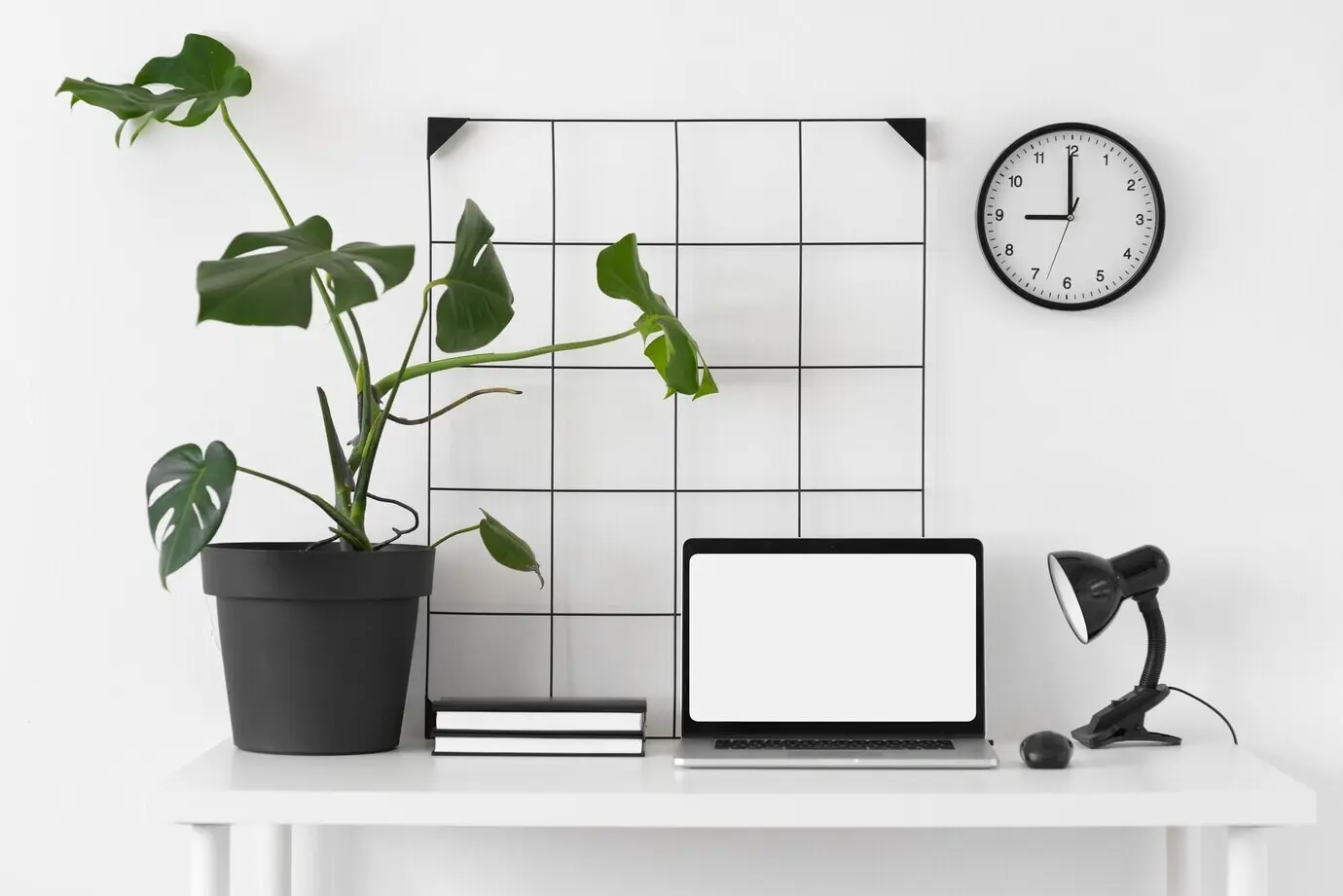
Layout and Ergonomics That Protect Deep Work
One Primary Surface, Zero Doubt
Ergonomics That Disappear
Digital Friction: Reduce, Route, and Respect
Notification Triage
Batch alerts into narrow windows and silence everything outside them. Route emergencies through a single channel with distinctive sound. For the rest, rely on scheduled sweeps. Protect long stretches of quiet so complex problems have room to unfold without perpetual micro-interruptions stealing focus.
An App Diet That Rewards Depth
Limit tools to a short, intentional roster. Choose one writing app, one board, one calendar, one storage system, and learn them well. Remove novelty shortcuts. Familiarity compounds speed, while reduced switching costs keep narrative threads intact as you move through challenging, detail-heavy tasks.
Rituals and Micro-Habits That Anchor Flow
01
Opening Sequence
Begin with breath, chair alignment, and a two-minute scan clarifying the single decisive task. Light a candle or start a specific playlist to mark transition. This predictable sequence tells your nervous system it is safe to concentrate fully and ignore peripheral temptations.
02
Maintenance in Minutes
Between sessions, restart order with quick, repeatable actions: park tasks in a capture list, square stacks, coil cables, and reset timers. These small closures prevent drift, keeping the workspace crisp so returning requires no negotiation, just immediate engagement with what matters most.
03
Evening Reflection
Close by writing three sentences: what progressed, where friction appeared, and which adjustment might remove it tomorrow. Shut down devices, cover the monitor, and leave a visible first step. Sleep becomes part of the process, and next-day momentum arrives already accelerating forward.
From Cluttered Corner to Reliable Studio
Measuring What You Actually Experience
Join the Conversation and Keep Improving
All Rights Reserved.